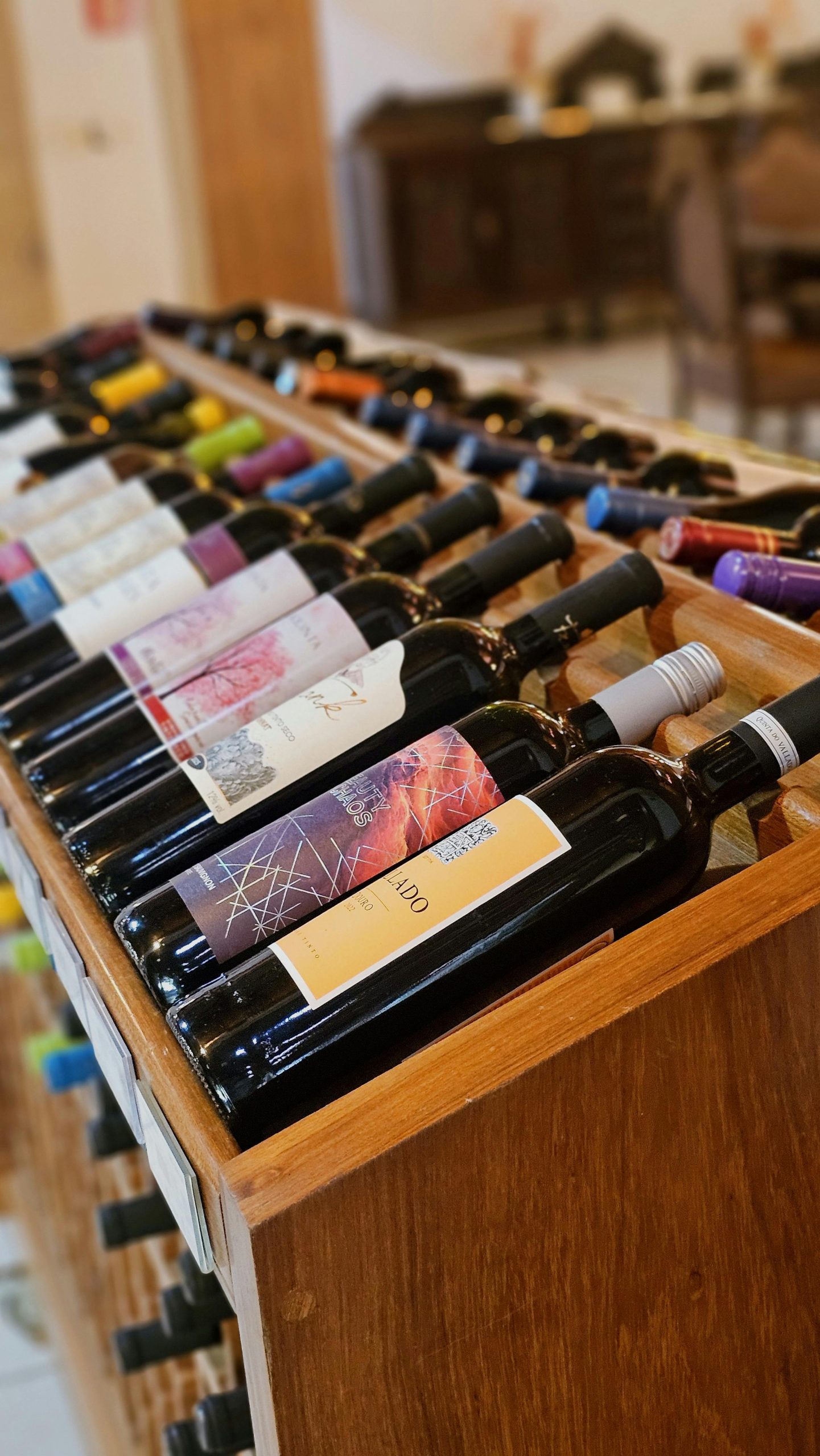
The world of wine is constantly evolving, shaped by changing tastes, innovations, and cultural influences. What was once considered traditional is now being redefined, as modern consumers bring new expectations and perspectives to the industry. This evolution reflects a broader shift in how people approach wine, moving towards a more inclusive, diverse, and dynamic experience.
One of the most noticeable trends in recent years is the growing interest in sustainability. Consumers are becoming more aware of the environmental impact of their choices and are seeking products that align with their values. This has led to an increased demand for wines produced using organic, biodynamic, and natural methods. These approaches prioritize the health of the land and the authenticity of the product, creating wines that are both environmentally conscious and rich in character.
Another significant trend is the shift towards accessibility. Wine is no longer viewed as something reserved for special occasions or formal settings. It has become a part of everyday life, enjoyed in a variety of contexts. This change has made wine more approachable, encouraging people to explore and experiment without feeling intimidated. It reflects a move away from exclusivity towards inclusivity, where everyone can find something to enjoy.
Technology has also played a key role in shaping modern wine culture. Online platforms and digital tools have made it easier than ever to discover new wines, learn about different styles, and make informed choices. This accessibility has empowered consumers, giving them the confidence to explore beyond familiar options and try something new.
Flavor preferences are evolving as well. While classic styles remain popular, there is a growing interest in unique and unconventional profiles. Consumers are increasingly open to trying wines that offer something different, whether it is a new grape variety, a distinct region, or an innovative production method. This curiosity is driving diversity in the market, encouraging producers to experiment and push boundaries.
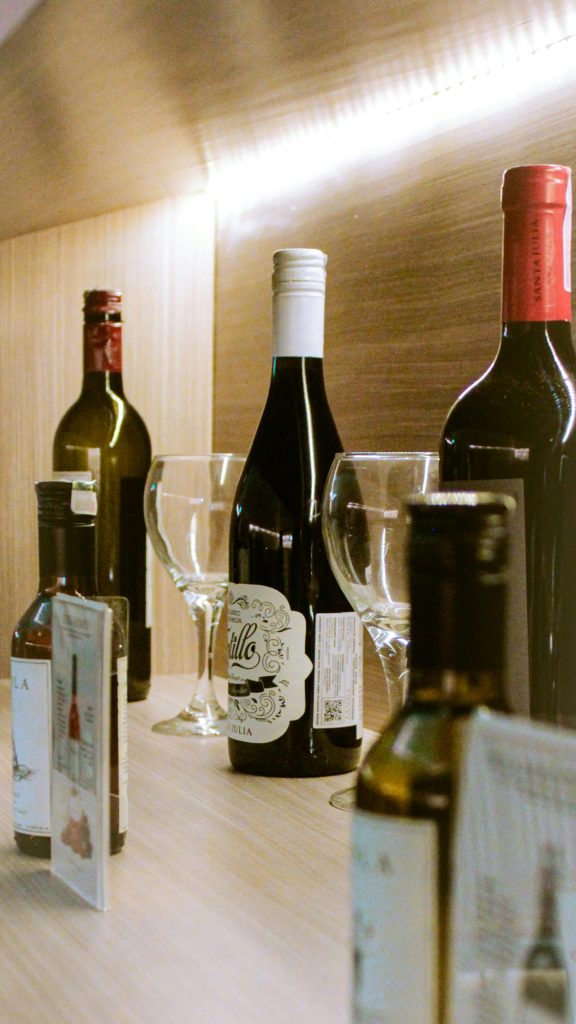
Personalization is another emerging trend. Consumers are looking for experiences that reflect their individual preferences, and wine is no exception. From curated selections to tailored recommendations, there is a growing emphasis on creating experiences that feel unique and relevant. This focus on personalization enhances the overall enjoyment of wine, making it more meaningful and engaging.
The social aspect of wine is also evolving. While it has always been a part of gatherings and celebrations, modern consumers are finding new ways to connect through wine. Virtual tastings, online communities, and shared experiences are becoming more common, creating opportunities for connection beyond traditional settings.
At Luvu Wine, we embrace these changes while staying true to the principles that define quality and authenticity. Our approach is to combine tradition with innovation, offering wines that reflect both the heritage of winemaking and the preferences of modern consumers. By doing so, we aim to create a platform that feels both timeless and relevant.
The evolution of wine is a reflection of the people who enjoy it. As tastes and preferences continue to change, the industry adapts, creating new opportunities and experiences. This dynamic nature is what keeps wine exciting, ensuring that there is always something new to discover.
Ultimately, modern wine trends highlight a shift towards exploration, sustainability, and connection. They represent a move towards a more open and inclusive approach, where wine is not just about tradition but about experience. By embracing these trends, consumers can enjoy a richer and more diverse wine journey, discovering new flavors and creating meaningful moments along the way.
