Wine, in its many expressions, offers a rich and diverse experience that reflects both nature and human craftsmanship. Among the most widely recognized styles are red, white, and rosé wines. While they may appear simple in classification, each type carries its own identity, shaped by production methods, grape varieties, and the intentions of the winemaker. Understanding these differences opens the door to a deeper appreciation of wine and allows for more confident and enjoyable choices.
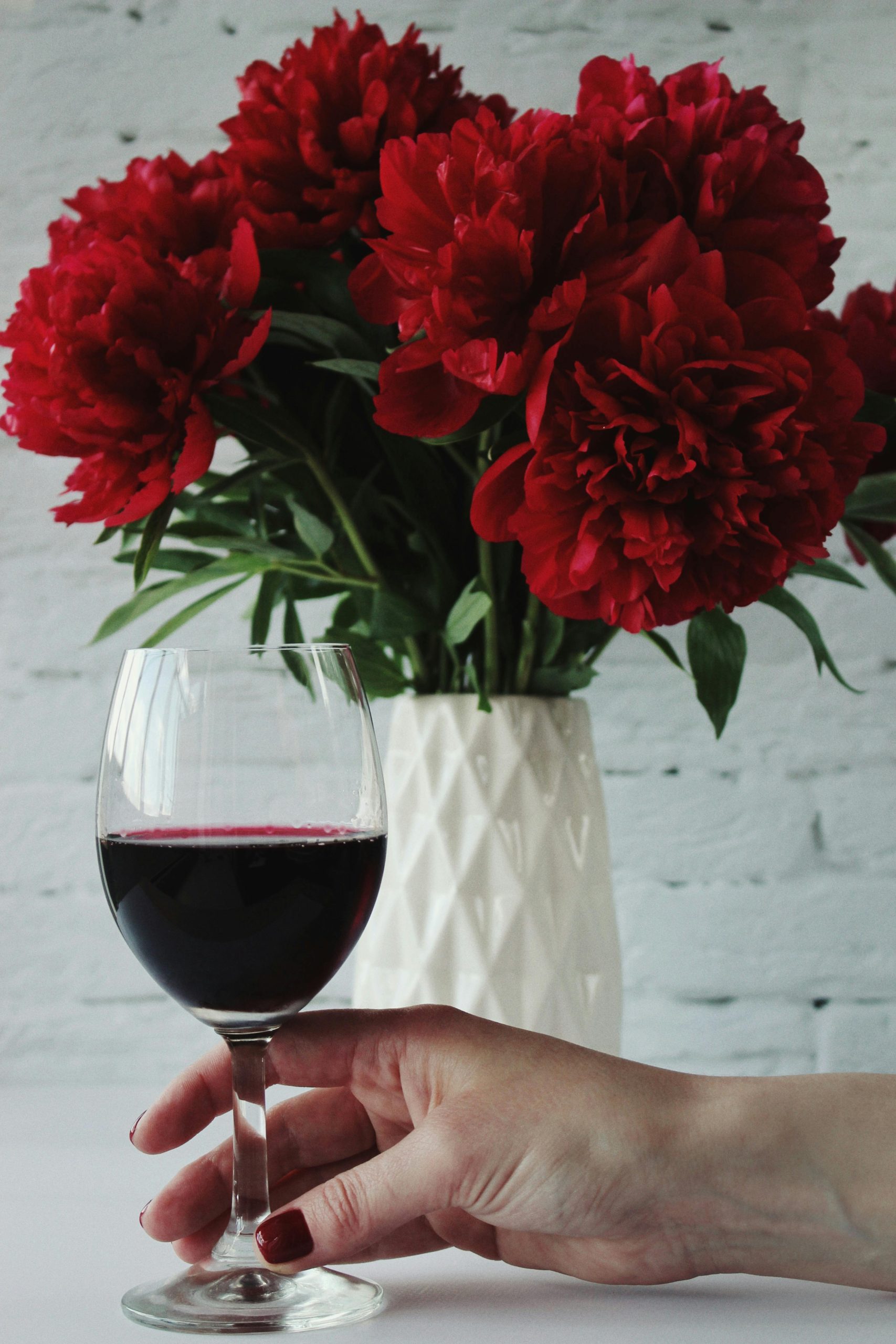
Red wine is often associated with depth, warmth, and complexity. Its character begins with the use of darker grape varieties, where the skins are left in contact with the juice during fermentation. This process gives red wine its distinctive color, as well as its structure and tannins. Tannins contribute to the texture of the wine, creating a slightly drying sensation that adds to its richness. The flavors found in red wines often range from dark fruits such as blackberry and plum to more complex notes like spice, earth, and even hints of chocolate or tobacco.
The experience of drinking red wine is often described as bold and layered. It is a wine that unfolds gradually, revealing different aspects with each sip. This complexity makes it a popular choice for evening settings and occasions that call for something more substantial. Red wines also tend to pair well with hearty dishes, where their structure can stand up to rich flavors and create a balanced experience.
White wine, in contrast, offers a lighter and more refreshing profile. It is typically produced by fermenting grape juice without extended contact with the skins, resulting in a clearer and more delicate appearance. The absence of prolonged skin contact allows the natural brightness of the grapes to shine through, creating wines that are crisp, vibrant, and often aromatic.
Flavors in white wines can vary widely, from citrus and green apple to floral and mineral notes. This diversity makes white wine a versatile choice, suitable for a range of occasions and pairings. It is particularly well-suited for warmer weather, where its refreshing qualities can be fully appreciated. White wine often complements lighter dishes, enhancing their flavors without overwhelming them.
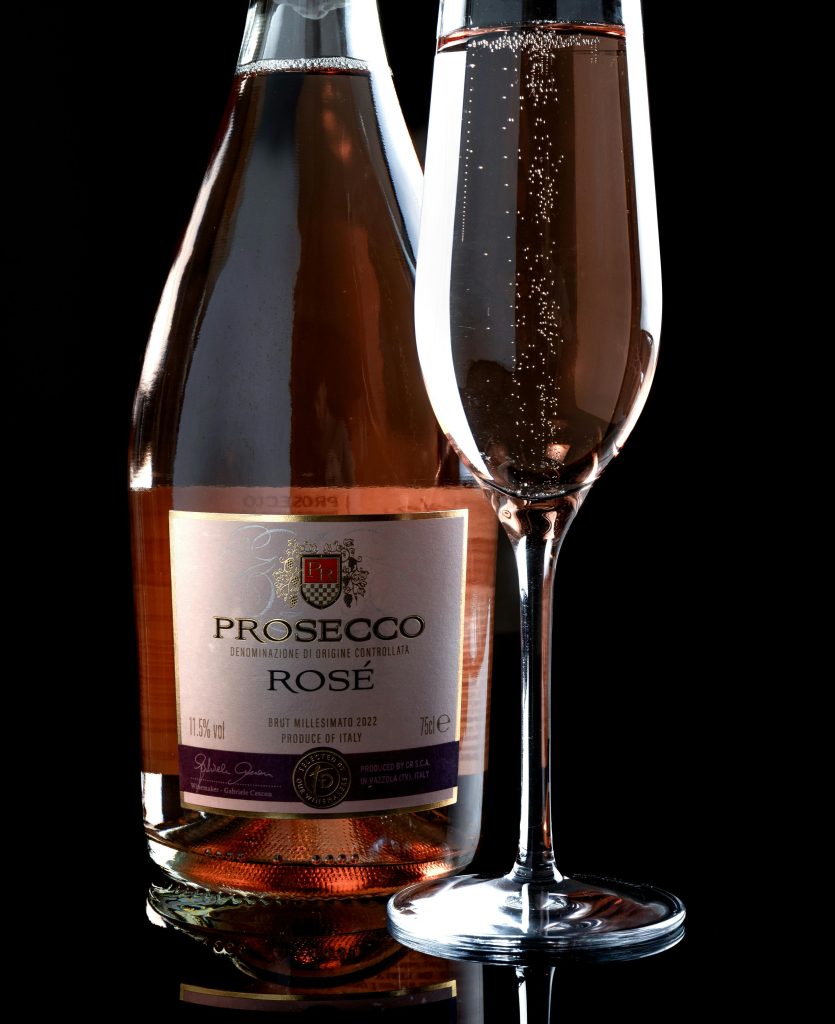
Rosé wine occupies a unique position between red and white, offering a balance that combines elements of both. It is produced by allowing grape skins to remain in contact with the juice for a shorter period, giving it a subtle pink hue. This limited interaction results in a wine that captures some of the fruitiness of red wine while maintaining the lightness of white wine.
The appeal of rosé lies in its versatility. It can be enjoyed in a variety of settings, from casual gatherings to more refined occasions. Its flavor profile often includes notes of berries, citrus, and delicate floral tones, creating a refreshing and approachable experience. Rosé wines are particularly popular for their ability to adapt, pairing well with a wide range of foods and complementing different moods.
Beyond their differences in production and flavor, red, white, and rosé wines also reflect different approaches to winemaking. Each style requires specific techniques and decisions that influence the final product. From the choice of grape varieties to the methods of fermentation and aging, every step contributes to the identity of the wine.
Understanding these distinctions allows for a more thoughtful approach to wine selection. Rather than relying on assumptions or habits, it becomes possible to choose a wine that aligns with the moment and personal preference. This awareness transforms wine from a simple choice into an intentional experience, where each selection carries meaning and purpose.
It is also important to recognize that these categories are not rigid boundaries but part of a broader spectrum. Within each type, there is a wide range of styles and expressions, influenced by region, climate, and winemaking philosophy. Exploring these variations reveals the depth and diversity of wine, encouraging curiosity and discovery.
At Luvu Wine, we celebrate this diversity by offering a curated selection that highlights the unique qualities of each style. Our goal is to provide options that cater to different tastes while maintaining a consistent standard of quality. Whether you are drawn to the bold character of red wine, the refreshing elegance of white wine, or the balanced charm of rosé, there is always something to explore and enjoy.
Ultimately, understanding the differences between red, white, and rosé wines is not about memorizing details but about developing a sense of appreciation. It is about recognizing the craftsmanship behind each bottle and embracing the variety that makes wine so captivating. With this perspective, every glass becomes an opportunity to discover something new and to deepen your connection with the world of wine.
