Wine is often appreciated for its flavor, aroma, and the experiences it creates, but behind every bottle lies a journey that begins long before it reaches your table. This journey is a blend of nature, craftsmanship, and time, each element playing a vital role in shaping the final product. Understanding this process not only deepens appreciation but also reveals the intricate artistry that goes into every sip.
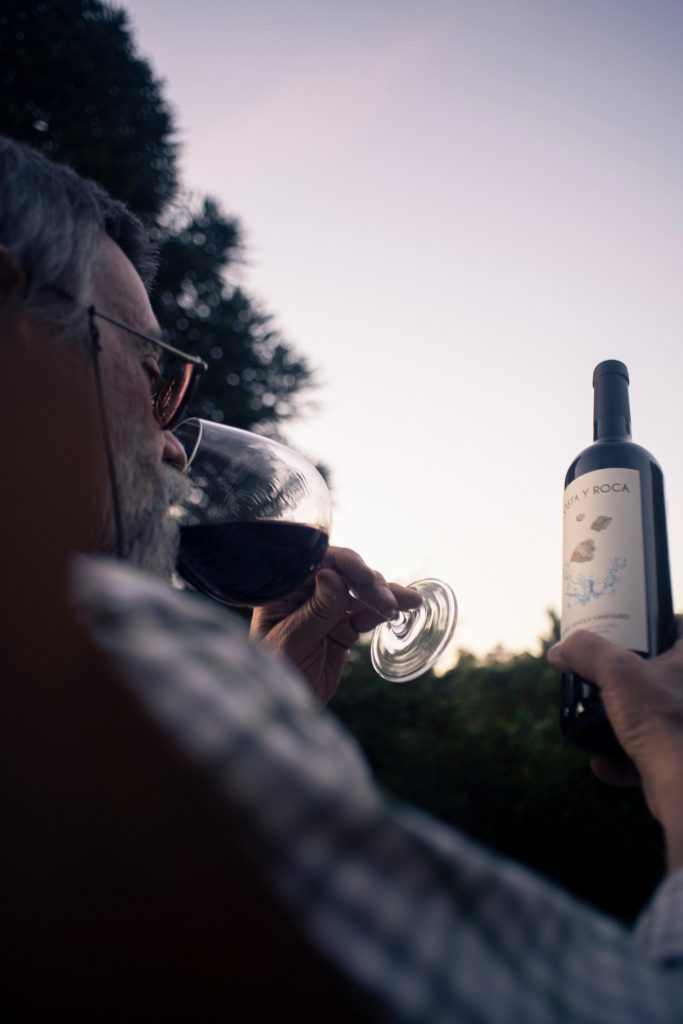
The story of wine begins in the vineyard, where grapes are cultivated with care and attention. The environment in which these grapes grow has a profound impact on the character of the wine. Factors such as soil composition, climate, and sunlight influence the development of flavors and aromas, giving each wine its unique identity. This connection between the land and the wine is often referred to as terroir, a concept that highlights the importance of natural conditions in winemaking.
Cultivating grapes is a delicate process that requires both knowledge and patience. Vineyard managers carefully monitor the growth of the vines, ensuring that they receive the right balance of nutrients and care. The goal is to produce grapes that are healthy and flavorful, capable of delivering the desired characteristics in the final wine. This stage of the journey is crucial, as the quality of the grapes directly influences the quality of the wine.
Harvesting marks a turning point in the process. Timing is everything, as grapes must be picked at the precise moment when they have reached optimal ripeness. Too early, and the wine may lack depth; too late, and it may become overly sweet or unbalanced. This decision is often guided by both scientific measurements and the intuition of experienced winemakers, reflecting the blend of art and science that defines winemaking.
Once harvested, the grapes are transported to the winery, where they begin their transformation. The process starts with crushing, which releases the juice from the grapes. For red wines, the skins are left in contact with the juice during fermentation, contributing to color, tannins, and flavor. For white wines, the skins are typically removed earlier, resulting in a lighter and more delicate profile. Rosé wines fall somewhere in between, with limited skin contact creating their signature hue.
Fermentation is the stage where grape juice becomes wine. During this process, yeast converts sugars into alcohol, producing the foundation of the wine’s character. This transformation is both natural and controlled, as winemakers carefully manage temperature and conditions to achieve the desired outcome. The duration and method of fermentation can influence everything from the wine’s body to its aroma, making it one of the most critical stages in the journey.
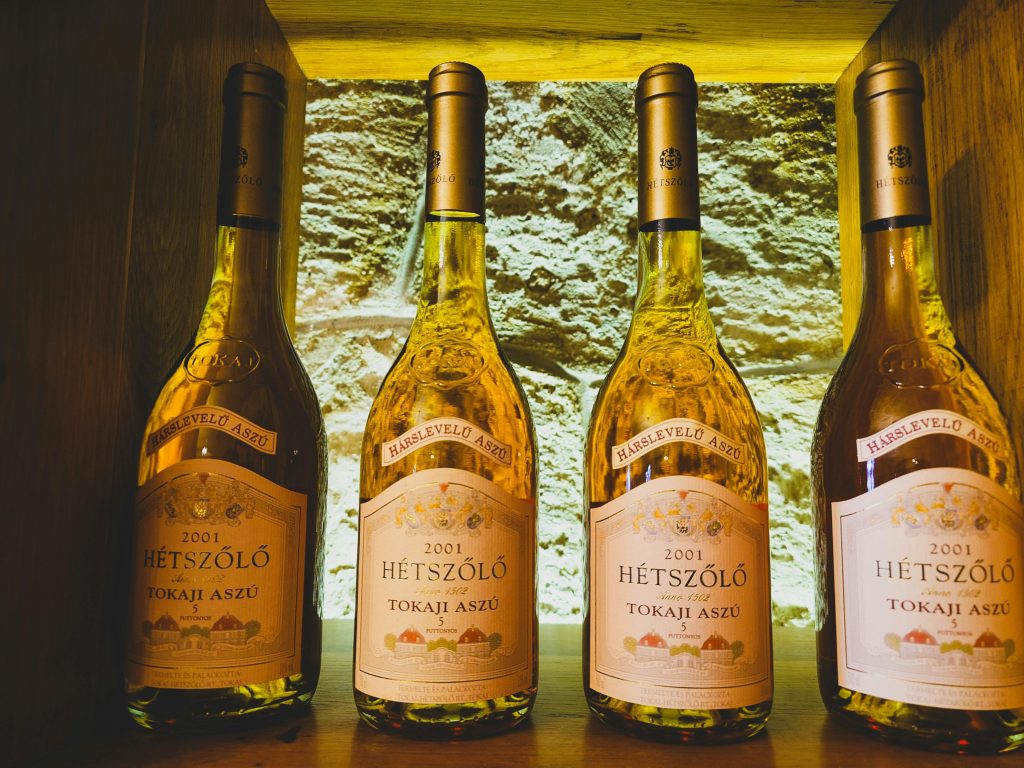
After fermentation, the wine enters a period of aging, where it develops complexity and depth. This stage can take place in a variety of environments, from stainless steel tanks to wooden barrels. Each method imparts different characteristics to the wine, with barrels often adding notes of spice, vanilla, or toast. Aging allows the wine to mature, smoothing out rough edges and bringing its flavors into harmony.
The decision of how long to age a wine is another reflection of the winemaker’s vision. Some wines are meant to be enjoyed young, capturing freshness and vibrancy, while others benefit from extended aging, developing richer and more nuanced profiles over time. This diversity ensures that there is a wine for every preference and occasion.
Once the aging process is complete, the wine is prepared for bottling. This involves filtering and stabilizing the wine to ensure consistency and quality. Bottling marks the final step in the production process, but it is not the end of the journey. Even in the bottle, wine continues to evolve, influenced by storage conditions and time.
The journey from vineyard to glass is a testament to the dedication and skill of those involved in winemaking. It is a process that requires patience, precision, and a deep understanding of both nature and craft. Each bottle represents countless decisions and efforts, all aimed at creating something that can be enjoyed and appreciated.
For the consumer, understanding this journey adds a new dimension to the experience of wine. It transforms each sip into a connection with the land, the people, and the process that made it possible. It encourages a deeper appreciation of the complexities and subtleties that define different wines, making the experience more meaningful and engaging.
At Luvu Wine, we honor this journey by carefully selecting wines that reflect both quality and authenticity. Our goal is to bring you closer to the story behind each bottle, allowing you to experience not just the taste, but the craftsmanship that defines it. Wine is a product of time and care, and by understanding its journey, you gain a greater appreciation for the artistry that goes into every glass.
