Wine tasting is often seen as a simple activity, a way to sample different wines and choose a favorite. In reality, it is a far more immersive experience that engages the senses and invites a deeper connection with what is in the glass. It is not just about drinking but about understanding, appreciating, and experiencing wine in a meaningful way.
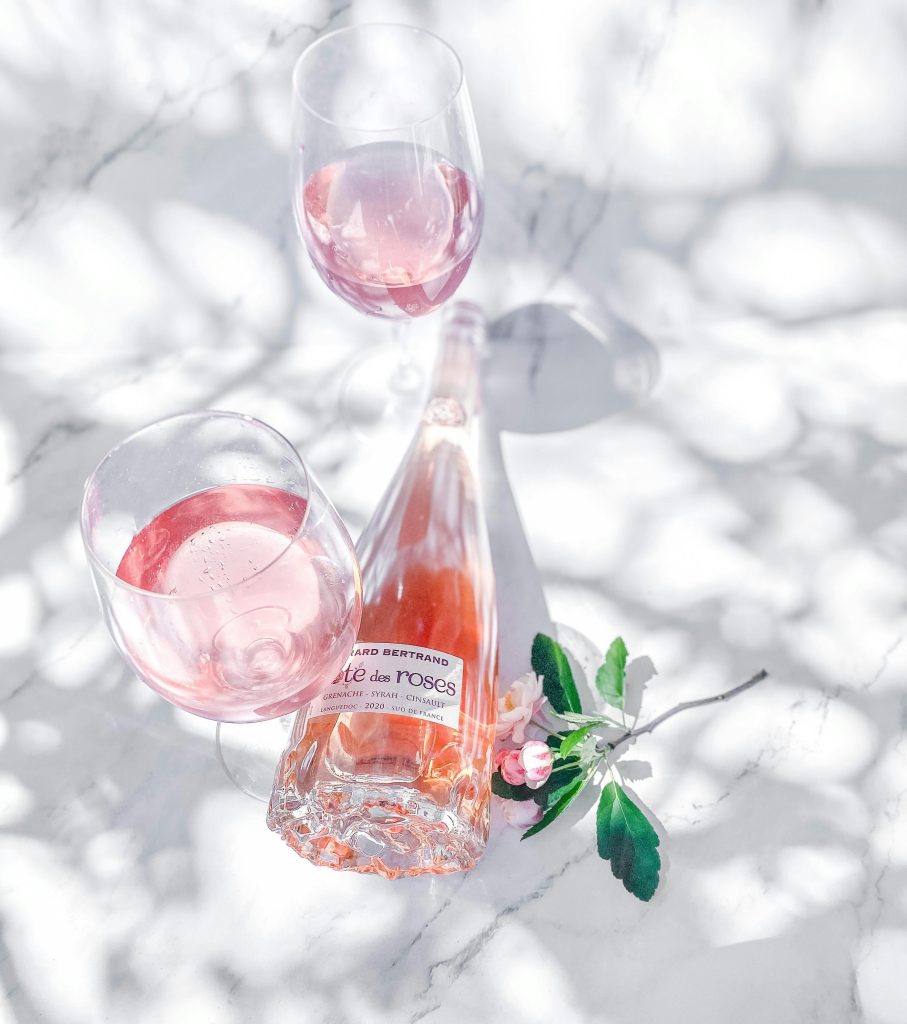
The process of wine tasting begins before the first sip. It starts with observation, taking a moment to look at the wine and notice its color and clarity. This initial step may seem small, but it provides valuable insights into the wine’s character. The shade and intensity of color can hint at the grape variety, the age of the wine, and even the methods used in its production.
Aroma is another essential element of wine tasting. By gently swirling the glass, the wine releases a range of scents that contribute significantly to the overall experience. These aromas can be complex, ranging from fruits and flowers to spices and earthy tones. Taking the time to identify and appreciate these scents adds a layer of depth that goes beyond taste alone.
Tasting the wine brings all these elements together. A small sip reveals the balance of flavors, including sweetness, acidity, and structure. Each component plays a role in shaping the overall profile, creating a harmony that defines the wine. The texture, often referred to as the mouthfeel, adds another dimension, influencing how the wine is perceived and enjoyed.
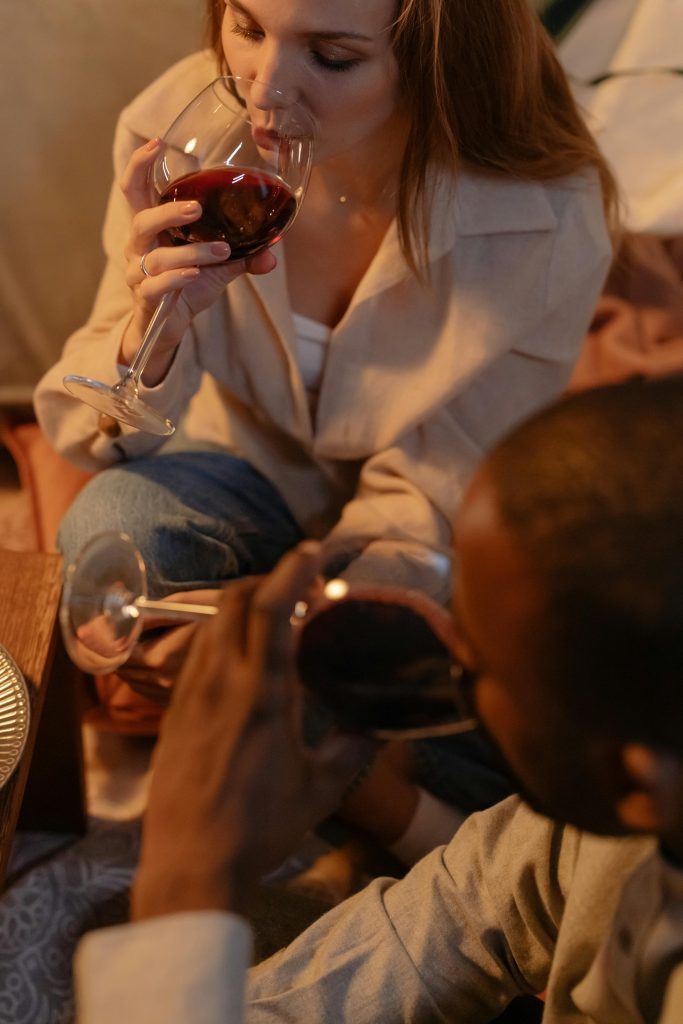
Wine tasting is also about patience and attention. Allowing the wine to linger on the palate and noticing how it evolves can reveal subtleties that might otherwise be missed. Some wines change as they are exposed to air, developing new aromas and flavors over time. This dynamic quality makes wine tasting an engaging and ever-changing experience.
Beyond the sensory aspects, wine tasting carries a social and cultural dimension. It is often shared with others, creating an opportunity for conversation and connection. Discussing impressions, comparing notes, and learning from different perspectives enrich the experience and make it more enjoyable. It transforms wine tasting into a shared journey rather than an individual activity.
Education is another important aspect of wine tasting. Each experience offers an opportunity to learn, whether it is about a new grape variety, a different region, or a unique style of winemaking. Over time, this knowledge builds a deeper understanding and appreciation of wine, making future experiences more rewarding.
Wine tasting also encourages mindfulness. In a world that often moves quickly, it provides a moment to slow down and focus on the present. It invites you to pay attention to details, to engage your senses, and to appreciate the craftsmanship behind each bottle. This sense of awareness transforms wine tasting into something more than a routine activity—it becomes a meaningful experience.
At Luvu Wine, we view wine tasting as an essential part of the journey. It is a way to connect with the wines we offer and to understand their unique qualities. By approaching wine tasting with curiosity and openness, you can discover new preferences and deepen your appreciation for the diversity of wine.
Ultimately, wine tasting is about exploration. It is about discovering what you enjoy, understanding why you enjoy it, and embracing the variety that wine has to offer. It is not limited to experts or connoisseurs but is accessible to anyone willing to engage with the experience.
Through this process, wine becomes more than just a drink. It becomes a source of knowledge, connection, and enjoyment, offering something new with every glass. This is what makes wine tasting truly special—it transforms a simple act into an experience that is both enriching and memorable.
